
Five years ago this month, I released This Wasted Land, a modern-day young adult dark fantasy/ horror novel. And though I have much love for Lost Dogs (the book that came before) and Stray Cats (the book that came after), I still insist that TWL is my best work.
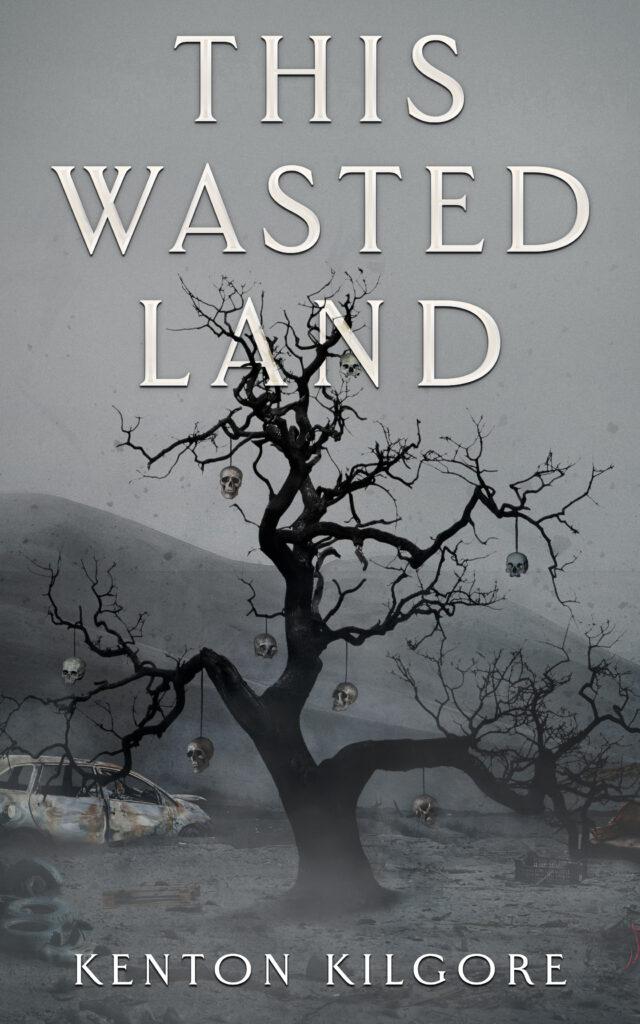
How so? To celebrate TWL’s 5th birthday, let me give you 5 reasons.
1. The Characters
TWL is narrated by Alyx, a 17-year old, angry, anti-social, blue-eyed Korean-American misfit girl. Alyx grew up rootless and in poverty after her abusive father abandoned her and her mother several years before the story opens. An indifferent student who only excels at art, her emotions often get the better of her, to the point where she is on medication and regularly sees a counselor.
Alyx is fond of Vanilla Coke, motorcycles, and Eighties hard rock. While on the outside, she looks like a tough girl boss, inwardly, she’s insecure and unsure, unable to trust anyone, including herself. An earlier reviewer of TWL said of her:
Alyx is… yeah, she’s kinda terrifying. She’s like glass: bright and sharp and strong, but brittle. We’ve all known people like that. I think that’s why I like her so much as a character, because she’s believable and relatable and flawed. And omg, Alyx is so tsundere.
I’ve had more than one person ask me how I, a middle-aged guy, managed to create and depict such an authentic teenage girl character. My answer is that: 1) I raised two teen daughters, and I paid attention to what went on with them during those years; 2) I remember very vividly what being a teenager was like. That was 40 years ago, and times have changed, but some things are still the same.
I call Alyx “Our Feisty Teenage Heroine,” but she’s not the only interesting character. Sam, Alyx’s boyfriend, is an extremely intelligent, devoutly religious, level-headed young man born with mild cerebral palsy, which affects his left arm and leg. In addition to carrying a very vigorous course load, he plays the trombone, is on the tech crew in school theater productions, and works part-time at a vinyl record store, where he meets Alyx.
Sam is a gamer (Magic: The Gathering is his favorite), and he’s an ardent Baltimore Ravens fan. His parents are divorced: Sam rarely sees his father, who lives in Chicago, but he is close to his mother and his older sister, Cynthia.
Bored with living in the same place all his life and knowing the same people, Sam is captivated by how different and brash Alyx is, yet he easily sees through to her vulnerability. He is the yin to Alyx’s yang, her emotional anchor and a voice of reason. He’s come to terms with his disability, and recognizing hers draws him to her. Or as he tells her:
“You’re not a freak on the outside, like I am. You’re a freak on the inside.”
When Sam is abducted by a silver-eyed, shapeshifting witch, Alyx pursues them into another world, a cold, gray wasteland prowled by monsters. There, she encounters and starts traveling with Mike, a thirty-something year old man hunting the witch for reasons he refuses to share.
Mike is cynical and sarcastic, a man literally out of time, who ultimately clues Alyx in to the hard truths gained by experience. In a scene well into their journey, Mike asks:
“How long have you and Sam been going out?”
“About six months, I guess. Since last October.”
“Six months.” Nods. “You two in love?”
I shrug.
“As much as you can be, at your age.”
“What’s that supposed to mean?”
“Love is different at different ages, different circumstances. Maybe you’ll get to find that out.”
I remember him saying, You’re going through an awful lot of trouble for some guy you’re eventually gonna break up with. Unless he dumps you first. “You think just because we’re kids, it’s not real.”
“It’s real enough for you and him, at least for now.”
“Whaddya mean, ‘for now?’”
“Let’s say you find Sam. Let’s say you get him away from Witchiepoo, and the two of you somehow manage to get back to that school in Maryland.”
“There’s no ‘let’s say.’ We’re gonna do it.”
“What then?”
“We’ll…we’ll be home, and together, and—”
“You think that you’ll just keep wearing his class ring on a chain around your neck, and you’ll go to prom together, and to the same college? Get married, have babies, all that happy horseshit?”
“Maybe.…”
“You think that you won’t come out of this a different person? That he won’t, either? That none of what you’ve been through is going to change anything between you?”
“No. I mean, we….”
“Right now, you two love each other. But is that going to be enough? Is that going to hold you together?”
“Sure, it will.” I guess. I don’t know. I never thought of that. Why shouldn’t it? “You said me and Sam have something rare.”
“You do.” Shakes his head. “That doesn’t mean it’s going to last.”
In addition to the main characters of Alyx and Sam and Mike, there are several others. The witch Freydis is terrifying, but tragic, enslaved to the monstrous Oth, master of the wasted lands. Paddoch is mysterious and untrustworthy, but Alyx is forced to rely on him.
Cynthia is blunt and outwardly dismissive of her little brother Sam and Alyx, but she actually cares a great deal for both of them. Uncle Tony is a retired NFL player who takes in Alyx after she and her mom split up, becoming something of a father to her.
2. The Monsters
TWL is wall-to-wall scary. The nightmare world that Alyx wanders searching for Sam is crawling with all kinds of horrible monsters, but they aren’t vampires or werewolves or zombies. They’re unique, they’re disturbing, and each is more gruesome than the last. I joke with potential readers that once they get through Chapter 3, they’ll never use a public restroom again.
skeeeeeeeee of the women’s room door opening. I freeze.
Slow, shuffling footsteps. Is it the crazy old bitch? She didn’t walk very good, from what I saw.
Quiet as I can, I yank up my jeans, button them. Sit on the seat and pull up my feet so whoever it is can’t see them.
Little boy? he asks. At least I think it’s a he. Deep voice, sorta slurred, more like croaking than talking. Slow, panting, like talking wasn’t easy.
Shuffling. More slow panting.
Little boy?
There’s no little boy here, you freak. Why would there be one in the women’s bathroom?
Shuffling, coming closer. Did he see me? Hear me?
Are you there?
Stops in front of my stall. In the dim, I see scuffed and battered men’s dress shoes, one brown, one black, different styles. Ragged gray pinstripe pants, like from a suit.
Pulls on the stall door. The latch goes khk. It doesn’t open.
Little boy, he sighs.
I don’t breathe.
Pulls on the door again.
Huhh, he pants. Huhh. Huhh.
I slip the knife from my boot.
I want you, little boy.
“Go away.”
The panting pauses.
“I’m not a little boy.” Stronger now. “And I’ve got a gun.” Let him think that. “I’ll hurt you if I have to.”
I won’t hurt you.
The knife shakes. “Leave me alone.”
I want you.
Something slaps the top of the stall door. It’s coming from a tattered black suit jacket sleeve with a ripped cuff, but it’s not a hand. Wide and round, sorta shaped like the end of a shovel, yellowy pale. It grabs the top of the door and starts slowly jerking it back and forth, back and forth, the latch rattling.
3. The Feelz
Though it has lots of monsters, TWL isn’t a penny dreadful. Though it has romance and family dynamics, it’s not a Hallmark Channel story. Instead, it has a lot of strong, genuine emotion that comes from the characters and the situations they find themselves in; as you read along, you might have a few “been-there-done-that” moments.
Some of those more emotional scenes deal with difficult subjects and feelings, and frankly, they were hard to write. Like this one, when Alyx and Sam are talking about their fathers:
“My family…they’re all messed up.” He waited for me. “When he was home—which wasn’t much—my dad would drink a lot. Pick fights with my mom, beat her up just cuz he could. If I got in the way, he’d hit me, too. One time, he for real knocked me out.”
“Any man who hits a girl is trash. I mean, my dad’s a piece of shit and my folks are divorced, but it’s not because of that. It’s just that he couldn’t keep it in his pants.”
“Nice.”
“Cynthia told me about it. He left his phone on the kitchen counter, and she started going through it, because she’s nosy. She saw a photo of the chick he was cheating on my mom with. Naked selfie. She had tattoos of stars right here,” he said, pointing a few inches below his belly button.
“You saw?”
“Cynthia showed it to me.”
“Gross.”
“Yeah. She worked for him at the law firm. They moved to Chicago, but last I heard, she dumped him for somebody with more money.”
“How’s your mom doing?”
“That was a few years ago, so she’s over it. She’s sort of going out with this guy, Chuck.” He shook his head. “You know what are the saddest words in the world?”
“No. What?”
“‘My mom’s boyfriend.’”
4. The Lit
TWL is massively influenced by other literary works. The first is T.S. Eliot’s masterpiece poem, The Waste Land. It’s my favorite poem, but it’s not an easy read: you can find it here.
Because it’s in the public domain, I was able to pull pieces of it into TWL. If you’re familiar with it, you’ll spot the references, such as when a monster addresses Alyx as, “hyacinth girl.” Or sections like this:
I dream random stuff that never happened. Waiting in line with Kaitlyn and Nicholas, my little sister and brother (in real life, I’m an only child) to get snow cones (I don’t even like them) from a stand on Coney Island (which I’ve heard about, but never been to).
Driving a golf cart across the huge-ass lawn behind my uncle’s house. He does have a big house on a lot of land, cuz he’s rich, but he doesn’t golf, and he doesn’t have any of those carts, either.
Walking at night, through the crowds of a big city I’ve never been to, two guys stopped in the middle of the sidewalk, one of them asking the other about his garden, and if his dog has dug it up.
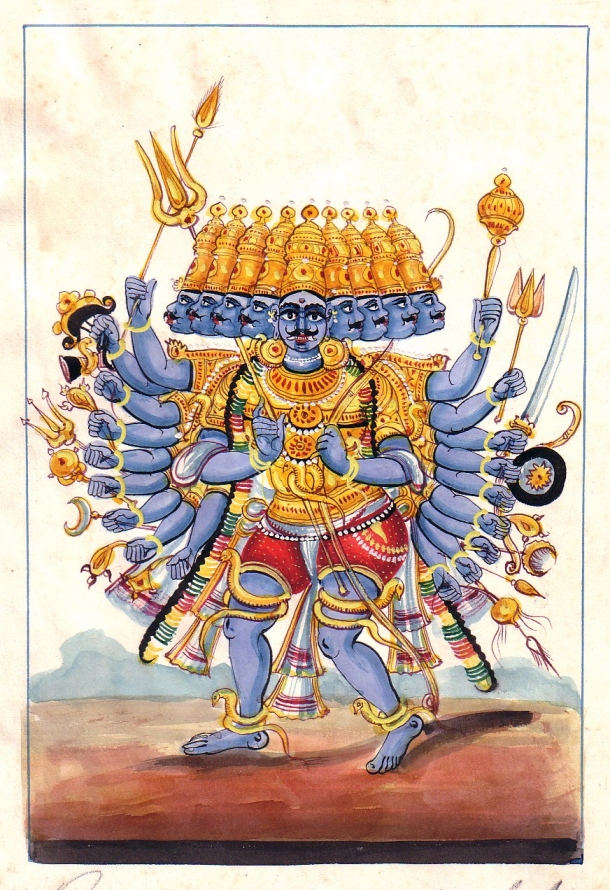
Eliot’s poem incorporates the Fisher King archetype from Arthurian Legend, and TWL goes there, too. Another big influence is the Hindu epic The Ramayana, an ancient tale, where the hero Rama struggles to get back his wife Sita after the many-headed demon Ravana carries her off to his horrific kingdom.
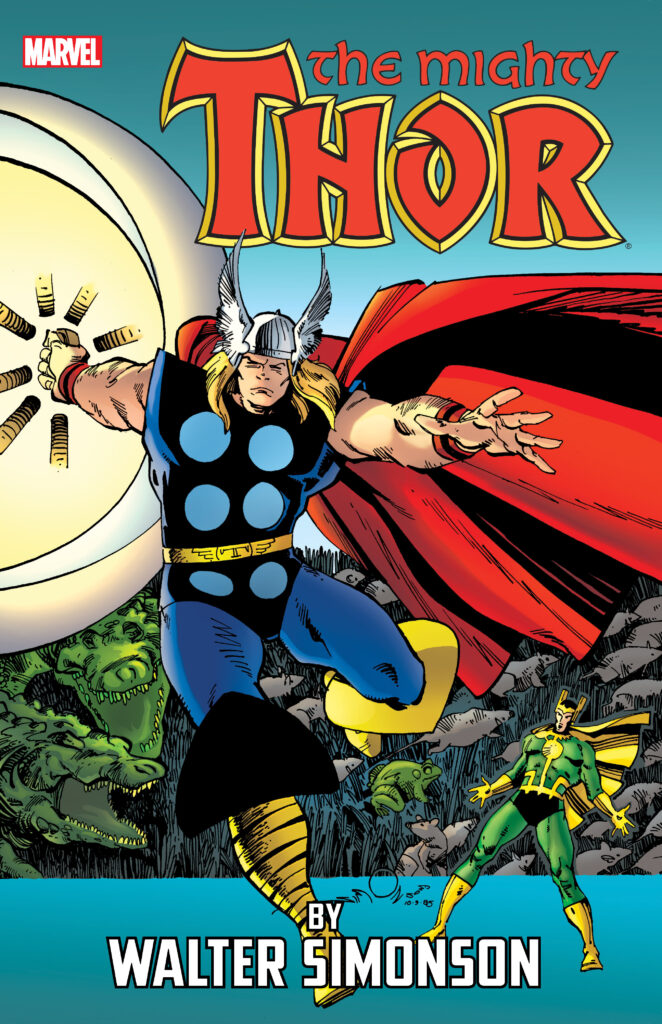
Norse mythology is a passion of mine: I studied it in college, have read the Prose–and Poetic Eddas, and I loved Walt Simonson’s run with the Thor comics back in the ’80’s. So, there’s a bunch of Norse myth in the book, particularly towards the end.
Also appearing are elements of Viking history and culture, particularly the North American settlements made by Leif Erikson about 1000 years ago. If you speak Icelandic (which, of course you do), you’ll be able to follow along with what a particularly nasty monster says when it shows up.
Finally, TWL crosses over with my novels Dragontamer’s Daughters, Lost Dogs, and Stray Cats, with characters and items appearing from them. Such as in this scene, where Alyx is looking at photos on Sam’s phone:
Sam with Pretty Boy, the horse he rides at Fairmore Farm. Pretty Boy’s all black except for this white strip, broken in three places, running down his face. Riding helps with Sam’s posture, strength, and coordination, and he goes every week. I’ve never ridden a horse, and I wouldn’t mind trying, but I always just sit with Buddy, the big German Shepherd that lives there, and I sketch.
And if you’ve read Stray Cats, you’ll recognize Pimmi:
Just outside the phone booth, a little black cat, not much more than a kitten. Thin, its tail a bit too long for its body, huge yellow eyes, round irises. It sees me, opens its mouth, but nothing more than a squeak comes out.
I sit up, reach out, steady myself on the cold, damp glass sides. Takes me a minute—everything aches—but I stand. Slide open the door. The cat freezes. “It’s okay, kitty. I won’t hurt you.”
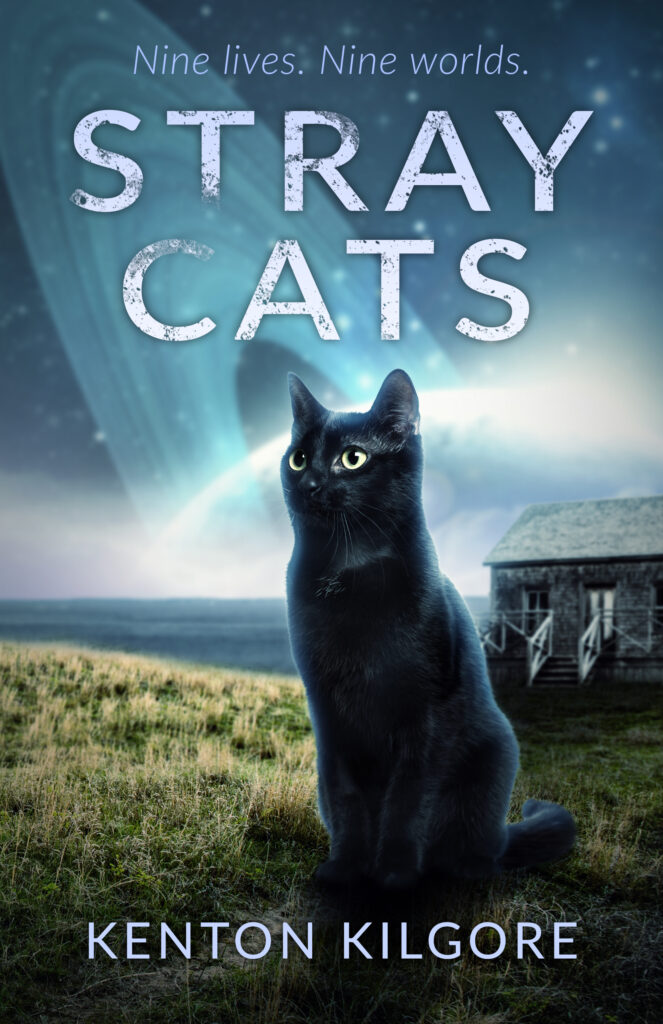
You don’t have to read any of my books, or Eliot’s poem, or The Ramayana, or Norse myth, to make sense of and enjoy TWL. But if you have, you’ll get more out of it.
5. The Music
I know what you’re thinking: “Music? What music? Isn’t this a book?” It is, but it’s infused with the spirit of vintage hard rock from the Seventies, Eighties, and Nineties: indeed, the story takes its name from Led Zeppelin’s “Kashmir.”
Because Alyx is a big fan of that genre, the table of contents is given as a playlist, and all the chapter names are song titles.

The songs make up an unofficial soundtrack for the book, which you can find on Spotify, under the playlist “This Wasted Land.”
Music’s important to young people, and it certainly is to Alyx and Sam, who meet at a vinyl record store. Alyx justifies her love of “old music” thusly:
“It’s loud and crazy and fun. Wild. It’s how music should be. It’s how life should be.”
At one point, Alyx and Sam go to an 80’s-themed dance at their high school:
Sam was worried that we’d be the only ones who dressed Eighties, but almost everyone did. The dance was in the cafeteria; the decorating committee had folded up and taken away the tables, put chairs at the edge of the room. They had these big posters on the walls and columns, with photos of people and events from the Eighties, with captions saying who and what they were. Ronald Reagan and Madonna and Rubik’s Cube and the Space Shuttle and Raiders of the Lost Ark and Cheers and a bunch of other people and stuff, most of them I’d never heard of before.
They had a DJ, and he only did Eighties songs, but everyone danced. He played my kind of music: “Pour Some Sugar on Me,” and “Jump,” and “Still Loving You,” and “Cum On Feel The Noize.” He did stuff Sam likes: “The Reflex,” and “Karma Chameleon,” and “Call Me,” and “Every Breath You Take.”
And he did a bunch of other songs: “Purple Rain,” and “Beat It,” and “Footloose,” and “Relax” (which is, wow, really skeevy if you listen to the words), and “Don’t Stop Believing” (which I hate, cuz it’s, like, the most ultimate white girl song ever). I never thought about it before, but music’s really changed a lot since then.
“The Overlooked Middle Child”
As This Wasted Land turns 5, I’ve never been more proud. I started writing it as a college senior in 1988, struggling with it on and off (mostly “off”) until 2015, when I finally tucked my head down and put in some serious effort. Even so, it wasn’t done until November 2018, and it took a lot out of me.
Even after I had published it, I made revisions, shortening some stuff here, adding some stuff there. I changed the cover art twice. I poured my soul into TWL: it’s the most personal book I’ve ever done, but if I hadn’t written it the way I did, I wouldn’t be able to die happy.
Nevertheless, TWL often gets passed over by readers in favor of Lost Dogs and Stray Cats. I’ve come to terms with that. TWL is the overlooked middle child of my books*, but almost everyone who has read it has loved it: it currently has an average rating of 4.7 stars out of 5 on Amazon. If you haven’t picked it up, you can find it on Kindle here, and in softcover here.
*In all fairness, if TWL is the “overlooked middle child,” then Dragontamer’s Daughters is the unappreciated eldest one
Kenton Kilgore writes killer sci-fi and fantasy for young adults, and adults who are still young. He also dabbles in children’s books. Follow Kenton on Facebook for frequent posts on sci-fi, fantasy, and other speculative fiction. You can also catch him on Instagram.
