
This blog post is for authors and writers who want to know more about selling books in person, at book signings or other events. Everyone else is excused—take the rest of the day off!
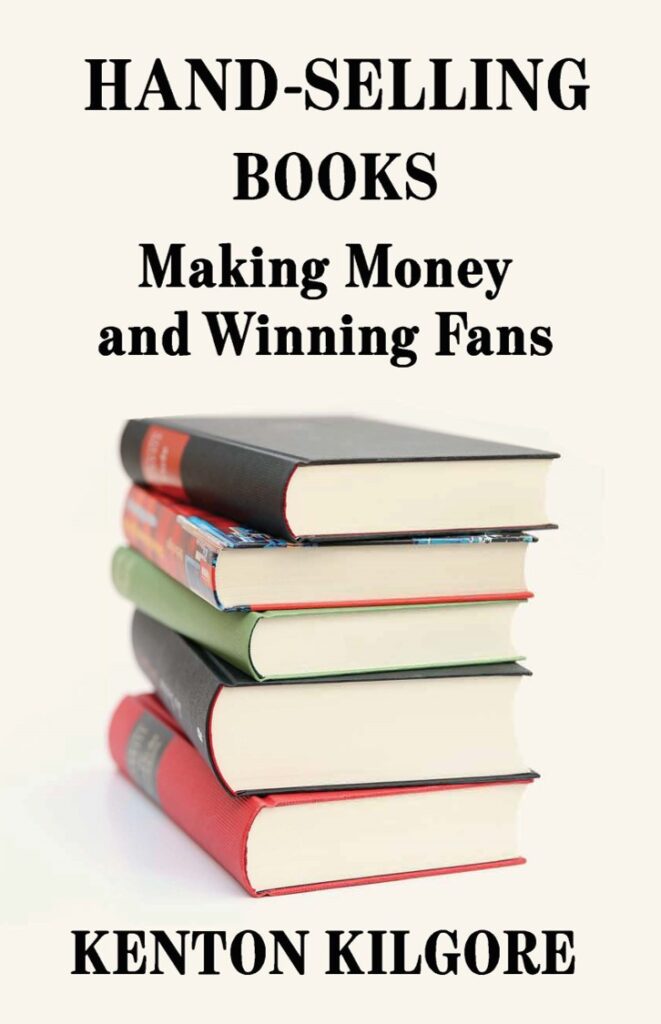
In 2019, I wrote Hand-Selling Books: Making Money and Winning Fans, a guide to help writers of any genre do just that. A few months into 2020…well, you know what happened (and is still going, as of this writing).
You might think that COVID would wipe out how, and how well I sell books in person. It turns out that not only hasn’t it been a major hindrance, but I actually sold many more books and made much more money during the 2021 holiday season than I did in 2019 or 2020.
Hand-Selling During the 2021 Holiday Season
Although I hand-sold books in person throughout the year, I’m restricting this discussion to the Christmas shopping season, which I demarcate as November 1 through December 24. This is the time when skillful selling can really pull in some big bucks.
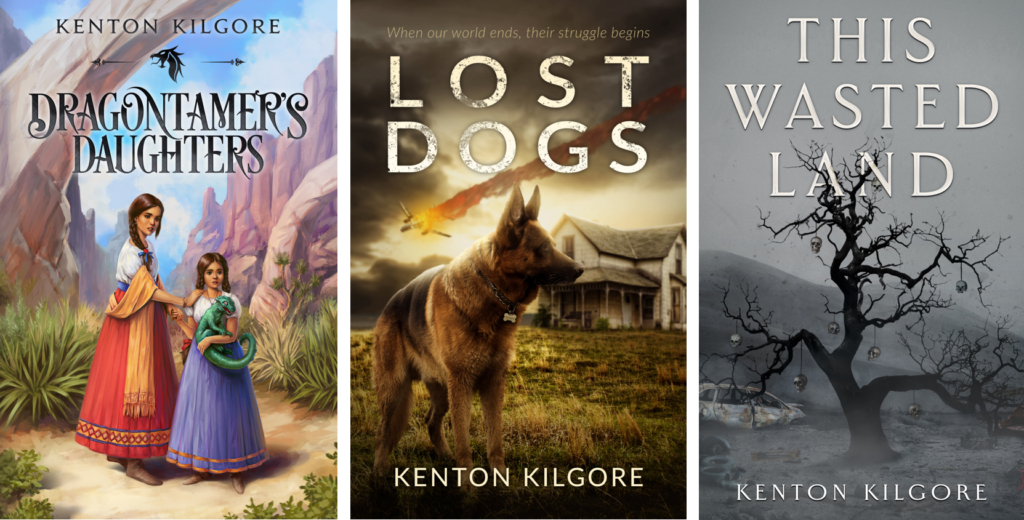
During this time, I participated in 6 events, where I put out for sale three YA sci-fi/fantasy novels, and one children’s picture book. My prices are $20 each for the novels, and $10 for the kids book, including taxes. I self-publish through Amazon, and get the books at discount prices from them. Here are my figures for the season:
Dragontamer’s Daughters (like Little House on the Prairie, with dragons)
- Copies sold: 16
- Gross profit: $320.00
- Cost per copy: $8.10 (includes printing, shipping, and tax)
- Cost of copies sold: $129.60
- Net profit: $190.40
Lost Dogs (post-apocalypse novel about two dogs on Kent Island)
- Copies sold: 30
- Gross profit: $600.00
- Cost per copy: $6.37
- Cost of copies sold: $191.10
- Net profit: $408.90
This Wasted Land (dark fantasy/horror novel)
- Copies sold: 27
- Gross profit: $530.00
- Cost per copy: $6.80
- Cost of copies sold: $183.60
- Net profit: $346.40
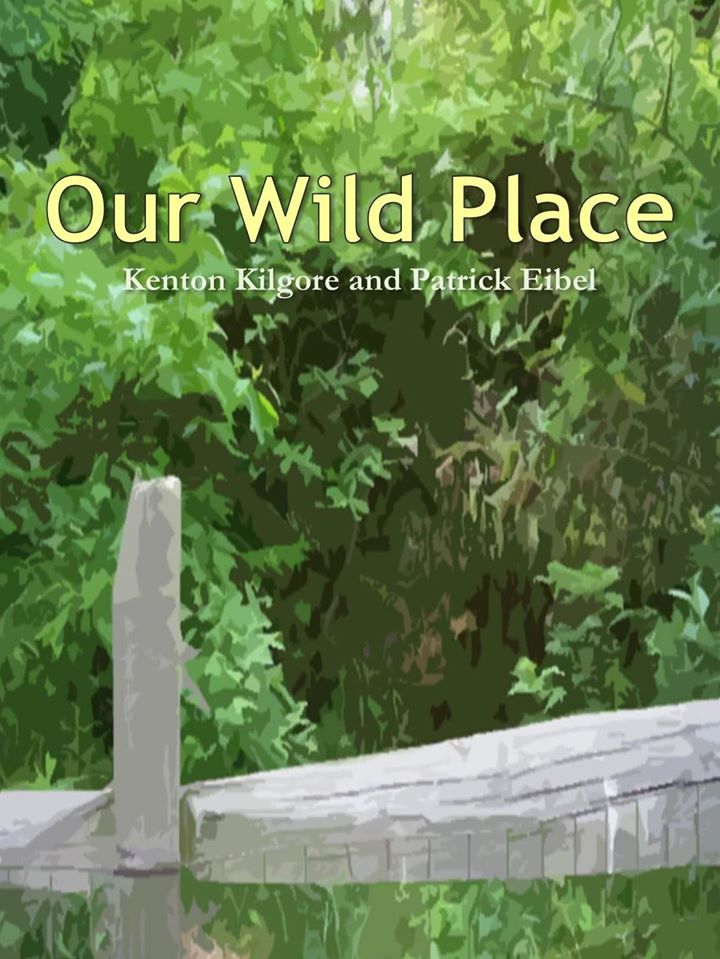
Our Wild Place (a book urging children to play outside)
- Copies sold: 15
- Gross profit: $145.00
- Cost per copy: $4.40
- Cost of copies sold: $66.00
- Net profit: $79.00
That’s 88 copies, with gross profit of $1,595.00 and net profit of $1,024.70.* By comparison, during the same time period in 2019, I sold 56 copies, with gross profit of $1,080.00, and net profit of $710.02. In 2020, I sold 42 copies, with gross profit of 770.00, and net profit of $492.40.
*This figure does not include vendor fees for the 6 events, totaling $165.00. I do not recall the amount of vendor fees I paid in 2019 and 2020, so I excluded the 2021 fees so that I could make better comparisons among the three years.
Please bear in mind that I’m a part-time, no-name author still building up a following. Additionally, the venues were in Queen Anne’s County, Maryland, a semi-rural area of exurbs on Kent Island, and the small town of Centreville (population around 5,000). Not knowing how COVID concerns would affect sales, I played it safe and stuck to events near my home, not spending much on vendor fees or travel time.
I’m very pleased with this year’s results. Lost Dogs has always been my most popular book, so I expected it to do well again, which it did. I’ve struggled to sell copies of This Wasted Land online, but I did surprisingly well with it in person, which makes me reconsider what I’m doing—or more accurately, failing to do—with ads.
Dragontamer’s Daughters has never sold as well as I would have liked. Then again, it’s a thick book (almost 500 pages) that harkens back to the Little House series, which is probably more popular with older adults (who remember the TV show) than it is with younger readers.
Our Wild Place is simply a vanity project, a creative itch I needed to scratch. It’s not sci-fi or fantasy, so I’ve never expected it to appeal to my audience. Nevertheless, it has decent in-person sales, where I explain its message and people can look at the very nice illustrations, and I’m happy whenever anyone buys a copy.
Lessons Learned
Here’s what I picked up, or had confirmed for me, during the 2021 season:
- Hand-selling is still viable despite COVID
- Craft fairs are where the customers are
- Promoting on Facebook is key
- Mornings are the busiest times
- A holiday look gets attention
- Mentioning local ties always helps
- Animals sell anything
- Multiple titles = multiple sales
- Venmo is a no-cost alternative to credit cards
- Hand-selling continues to build e-mail lists and fanbase
Let’s look at each.
Hand-selling is still viable. One would think that the threat of COVID, and the subsequent conditioning of many people to do their shopping online, would mean a paucity of potential customers. Not so for me. Undoubtedly that was due, at least in part, to where I sold my books, on Maryland’s Eastern Shore, where, for better or worse, people seem to be less concerned about COVID.
In addition, I think that many people enjoyed being able to get out and browse like they used to. Each venue had hundreds of people in attendance, and there were so many people because…
Craft fairs are popular, and have always provided me with more sales than a traditional book signing event. As I discuss in Hand-Selling Books, craft fairs draw far larger crowds than book signings (for those of us who aren’t literary superstars, anyway), and authors are a rare—and interesting!—find there.
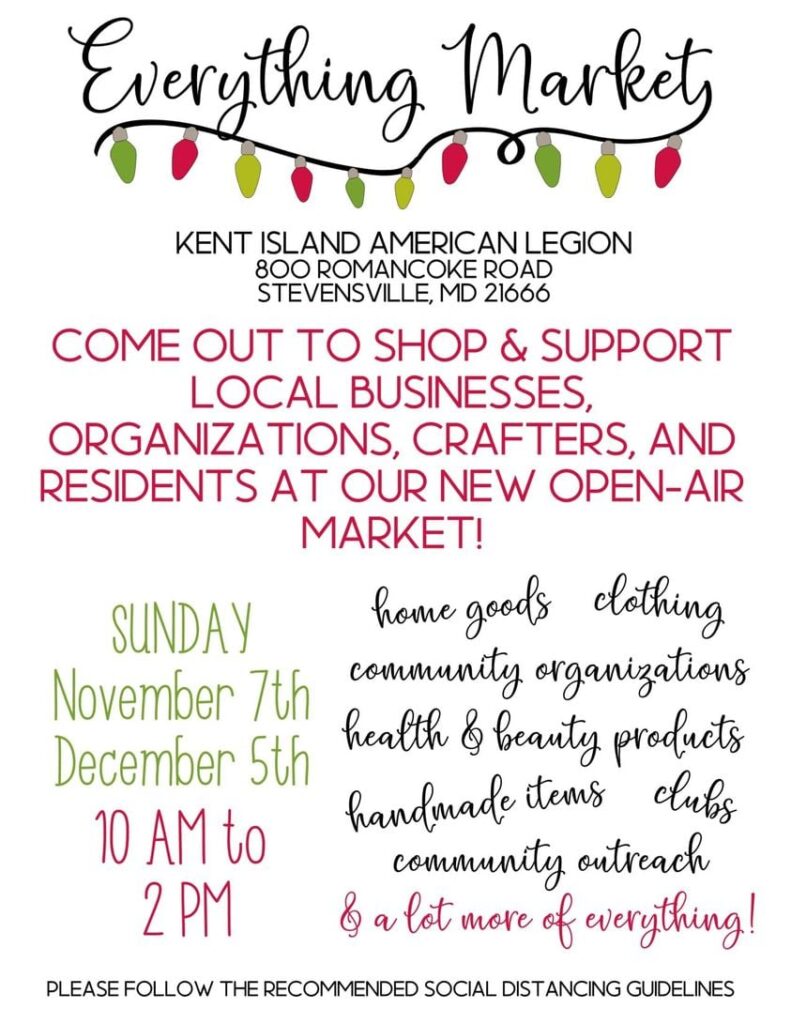
Another huge upside to craft fairs is that they usually have low vendor fees, typically $25 to $50, which one can earn back after a few sales. In contrast, a signing at a bookstore will usually cost you 30%-40% of the cover price of each book you sell there. If, like me, you have to purchase and bring your own hardcopies to sell at the signing, the store can wind up making more money than you do.
Certainly, a book signing can do well—my buddy Brent Lewis kills at his—but it calls for a large fanbase and a lot of promotion to pull it off. For an author at a craft fair, neither is required (but doesn’t hurt!).
Speaking of promotion, I found that Facebook was great for getting out the word on when and where I would be selling. I didn’t pay for ads: instead, I posted notices on my author page, my personal page, the craft fair’s page, and neighborhood pages.
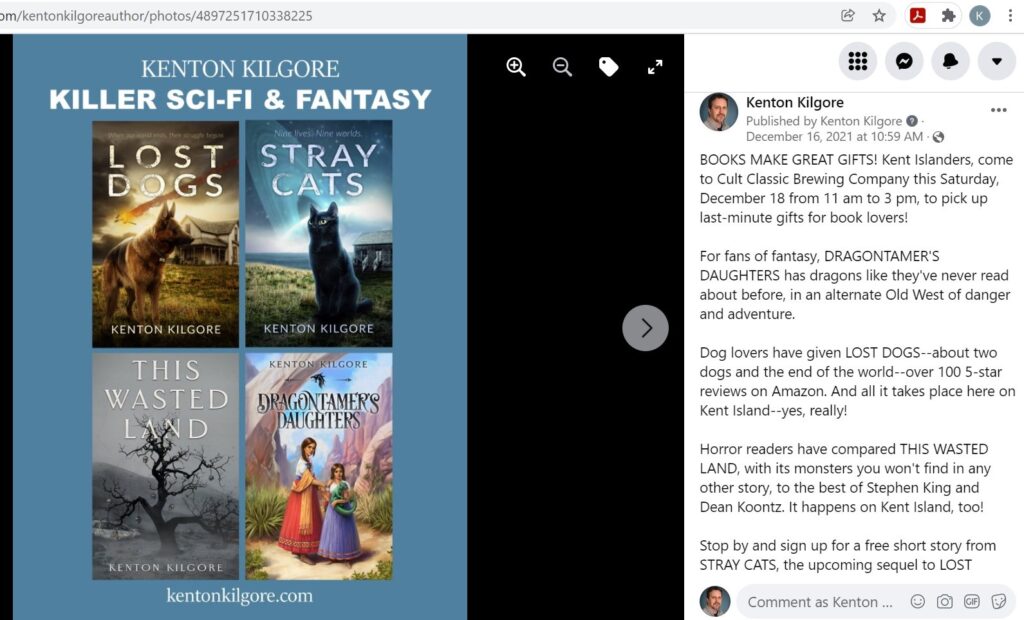
As most of the events were either on a Saturday or Sunday, I first posted on the Wednesday before, then again on Friday. On the start of the event, I posted a photo of myself and my books, and reminded people to come.
At first, I worried that I was overdoing it, but no one complained. Several people mentioned that they had seen me on Facebook and had shown up specifically to get my books. Free publicity + book sales = happy me.
Most of the events started at either 9:00 am or 10 am, and ran until 2:00 or 3:00 in the afternoon. Mornings were always the busiest times, with the most people and sales. Around 12:30, or 1:00 at the latest, traffic slumped, which gave me a few minutes for a few quick bites of the sandwich I had packed.
Sometimes, the number of attendees would pick up in the last hour, but usually, it didn’t. In the future, I’m going to look for events that start and end early, so that I can maximize sales and minimize the amount of time I spend standing around, waiting for potential buyers to show up.
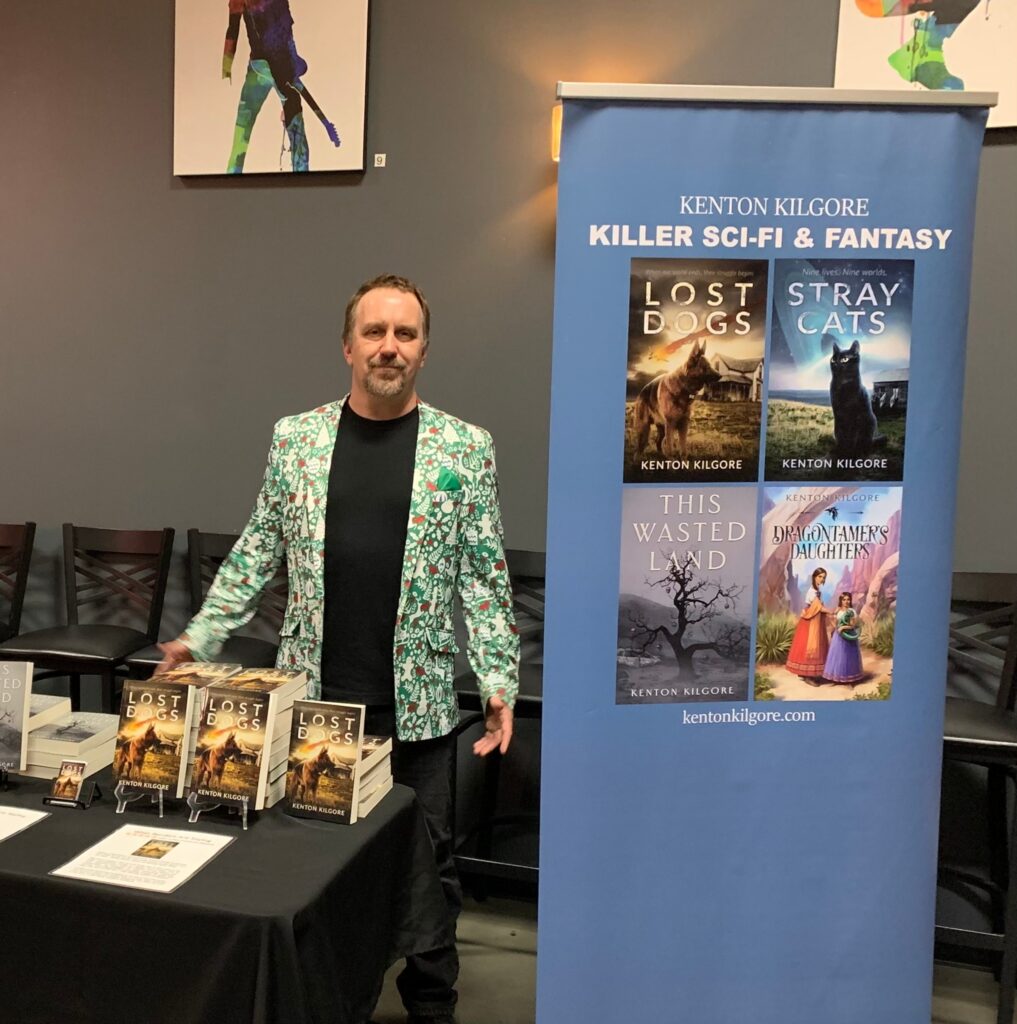
During these events, I wore an “ugly Christmas jacket” that got people’s attention. Whenever someone remarked on my jacket (almost always a compliment), I struck up a conversation with them that often led to a sale.
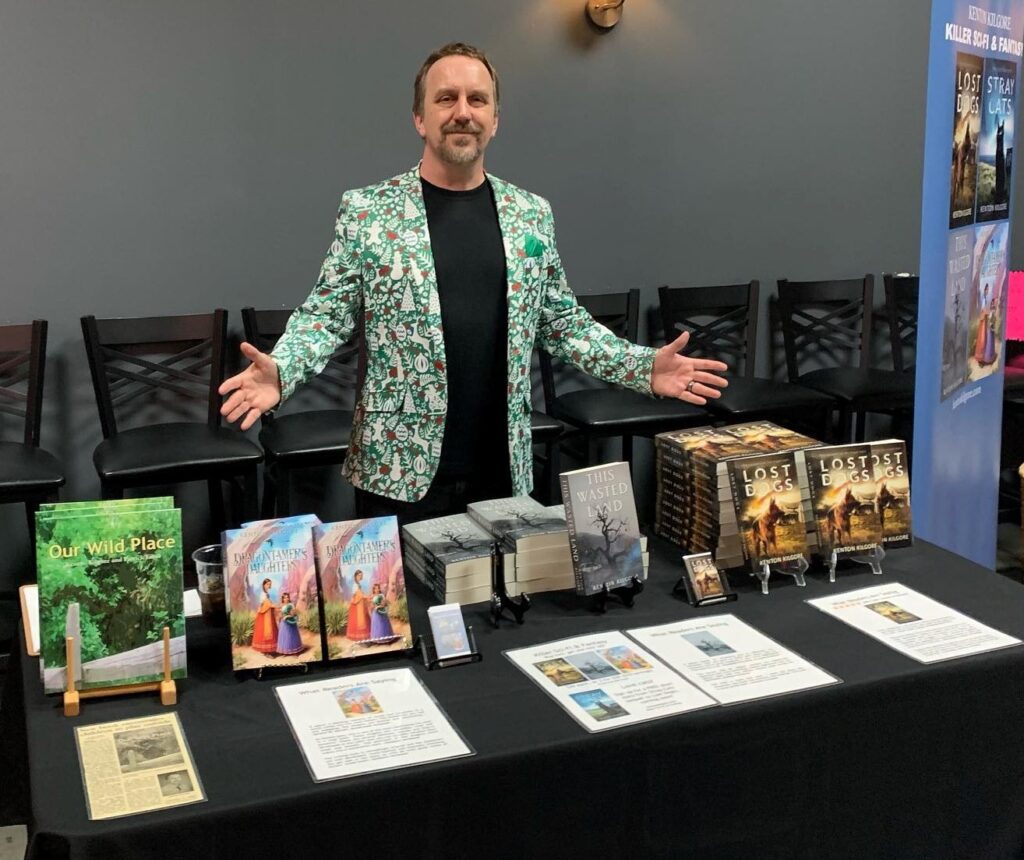
In those discussions, I always mentioned the local ties that my books and I have. I noted that two of my novels are set on Kent Island, a key selling point for many customers. Eastern Shore people love where they live, and they love supporting local artists and businesses.
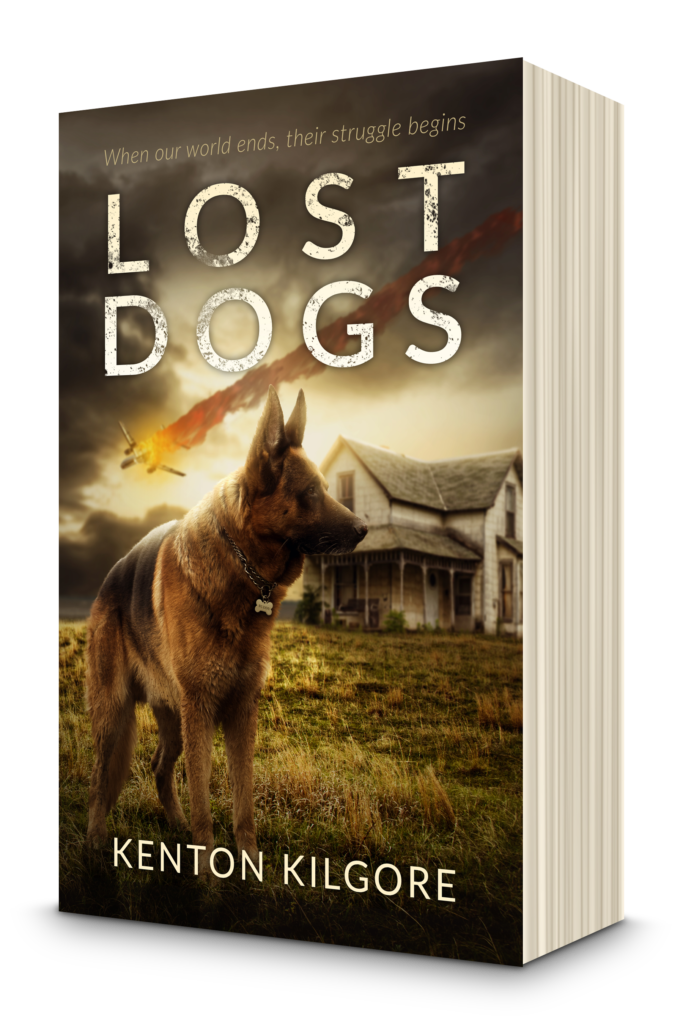
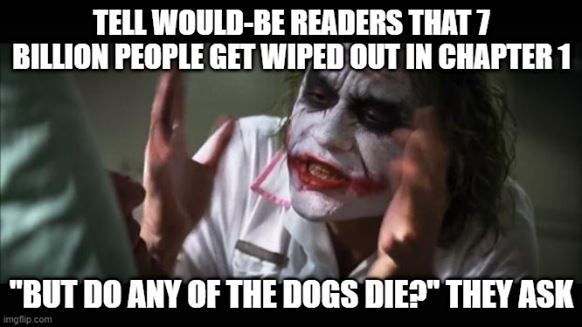
People also love animals, so my post-apocalypse novel Lost Dogs practically sold itself. The most common question I got was, “Do any of the dogs die?” Nobody batted an eye when I mentioned that every person on Earth–including them and everyone they know–gets taken out at the start of the book. No, they were only concerned about a fictional German Shepherd they’d never heard of before. Go figure.
By having multiple titles, I could sometimes persuade people to buy more books from me. While it’s possible to have success selling with just one title, it’s like running an ice cream story that only sells vanilla. The easiest way to get multiple sales is to have a series or sequels, but if (like me) you write standalone novels, perhaps you can draw some connections among them.
For example, Lost Dogs and This Wasted Land both take place on Kent Island, so I pointed that out to potential buyers interested in the Eastern Shore angle. Many of the dogs from the former make cameos in the latter, so I brought up that connection to dog lovers. Certain elements of Dragontamer’s Daughters also appear in This Wasted Land. And so on.
Because I have three novels out, I offered a deal: buy any two for full price ($20 each), and get a third for half off ($10), a savings of $10. My hope was that people would buy one of each title, but if they bought three of one, or two of one and one of another, I was okay with that.
At these events, I accepted cash or checks, but not credit cards. Previously, I didn’t think it was worth the hassle and fees to buy a Square or other credit card reader (I’ve since reconsidered). However, I found that Venmo is a good, no-cost alternative that many customers had on their phones.
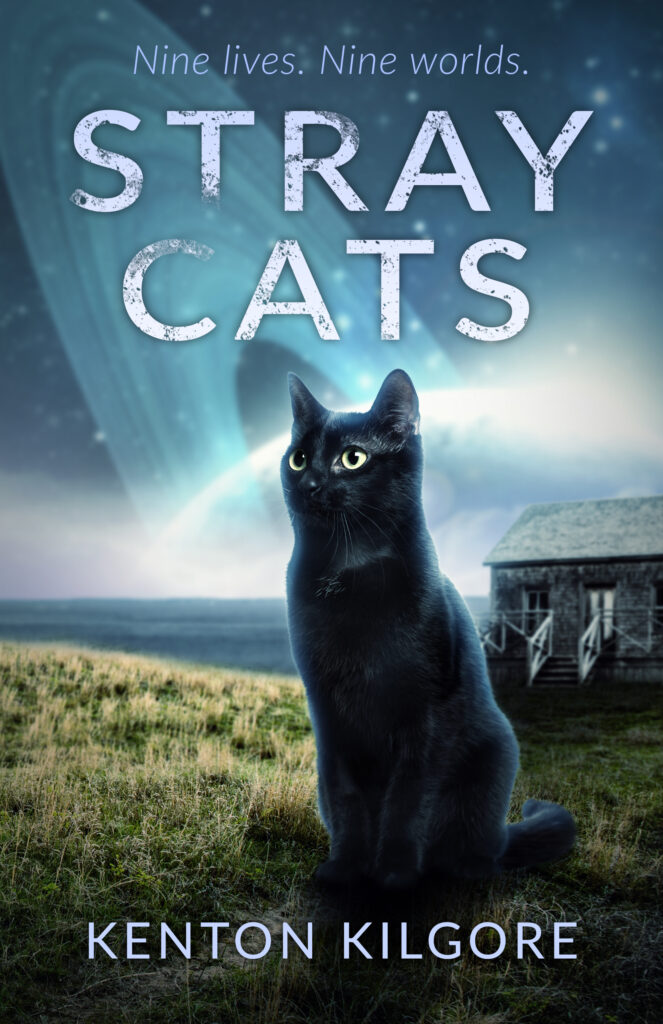
Finally, hand-selling helped me build my e-mailing list. At the conclusion of a sale, I offered a free chapter of my upcoming novel Stray Cats to anyone who joined my list. As you might imagine, this was big with animal lovers.
These events were also great opportunities to get to know people, to answer questions, listen to their experiences, and recommend other local authors to them. All those things help build a fanbase that leads to reviews, recommendations, and future sales. As the subtitle of Hand-Selling Books says, it’s about making money AND winning fans.
What I Did Differently This Year
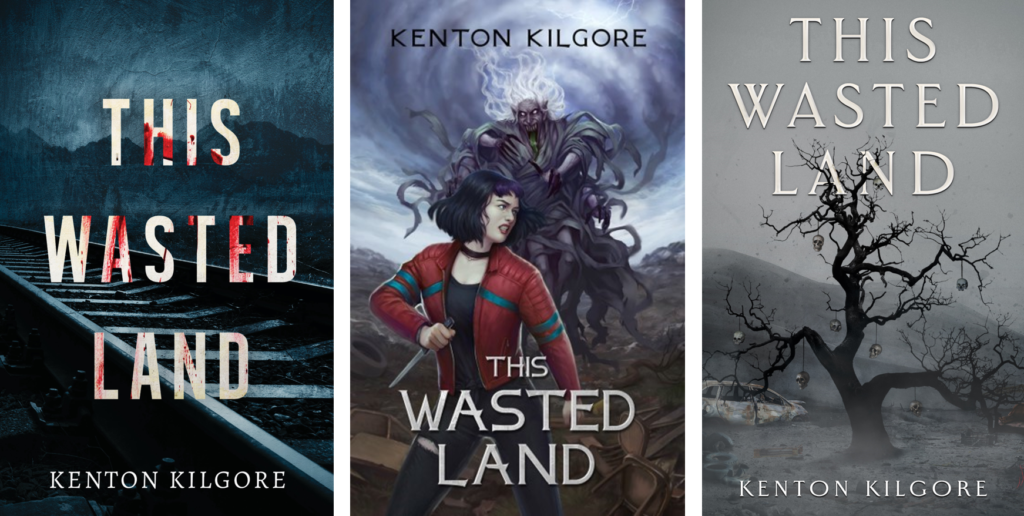
Over time, I’ve developed very successful techniques for hand-selling books, but even so, I made a few adjustments this past season. Besides posting more notices on Facebook and using Venmo, I had new cover art for This Wasted Land. The two previous covers were okay, but not particularly effective at selling the book. Horror fans remarked that the new cover is “spooky,” and made them want to get it.
I invested in an attention-getting, stand-up banner with my name, book covers, and tagline “Killer Sci-Fi and Fantasy” that plays off my distinctive last name. I also purchased similar business cards. The banner and cards came from Vistaprint, and were not expensive.
Looking Ahead: Hand-Selling in the 2022 Holiday Season
By next Christmas time, I will have published Stray Cats, a spinoff of Lost Dogs, and I expect it to sell very well, because cat lovers. I’ll offer a special where customers get a discount if they purchase Stray Cats and Lost Dogs together.
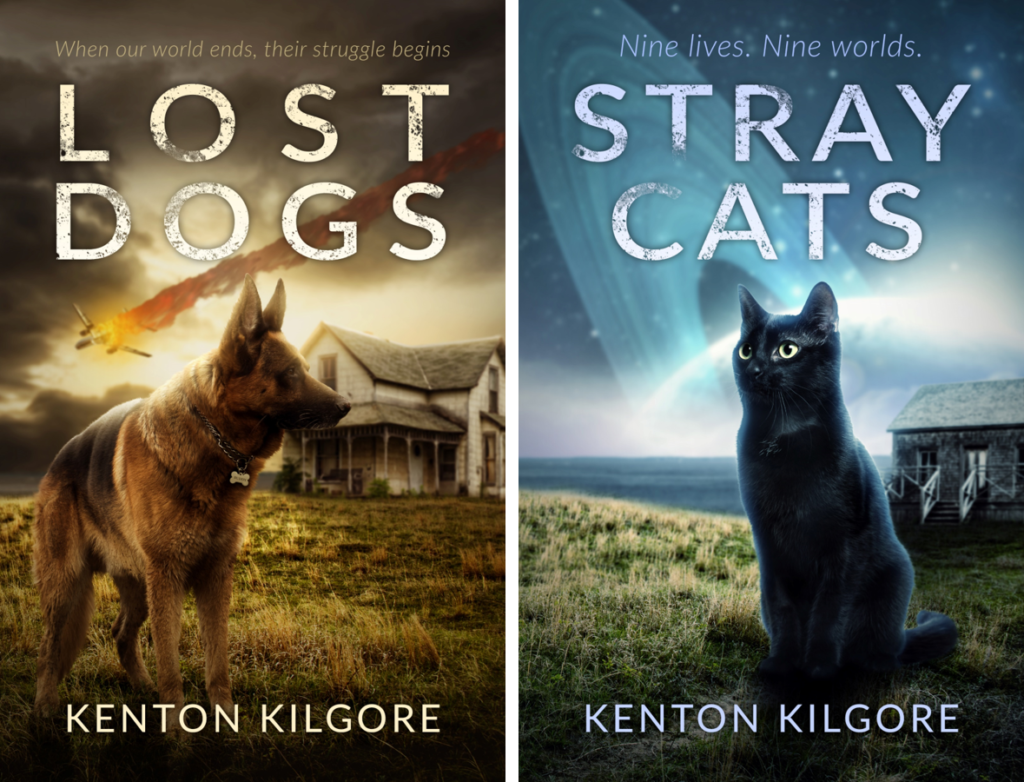
I’ll also point out to potential buyers that Stray Cats has crossovers with This Wasted Land and Dragontamer’s Daughters, which might push a few more copies of the latter two. TWL and DTD don’t sell as well as Lost Dogs, so I’ll offer another special for those who buy one of each title.
Finally, I’ll try larger venues in more populated areas, like Annapolis, or even near Baltimore and Washington, DC. In doing so, I’d be losing the whole “Eastern Shore/local author” angle, but I’m hoping that increased foot traffic will jack my sales up higher than in 2021. I’ll let you know how it turns out.
If you’d like more tips for selling books in person, check out Hand-Selling Books.
Kenton Kilgore writes killer SF/F for young adults and adults who are still young.
In his latest novel, This Wasted Land, high-school senior Alyx is lost and alone on a desolate world of monsters never before imagined. And if they don’t kill her, the witch who has her boyfriend will.
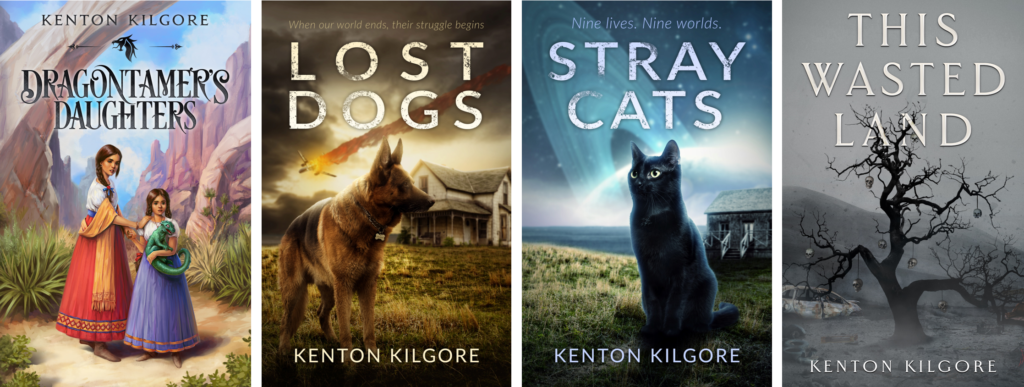
Kenton is the author of Lost Dogs, the story of the end of the world as seen, heard, and smelled by a dog. Stray Cats, the sequel, is coming soon: sign up here to get a free excerpt. He also wrote Dragontamer’s Daughters, like Little House on the Prairie…with dragons!
With Patrick Eibel, he created Our Wild Place, a children’s book about the joy to be found in exploring Nature.
Follow Kenton on Facebook for frequent posts on sci-fi, fantasy, and other speculative fiction. You can also catch him on Instagram.
I always find your sharing of marketing experience helpful. I liked knowing the effort and seeing the presentation. You even gave sales figures which most don’t share. Everything is here for me to evaluation selling books at craft fairs.
Thanks, Kenton